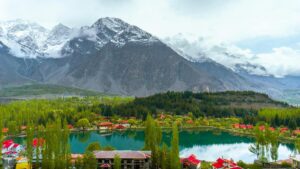
Hunza Valley is a spectacular mountain destination in District Hunza, Gilgit-Baltistan, Pakistan. It is known for historic forts, dramatic Karakoram peaks, turquoise lakes, traditional villages, local fruit, scenic roads and access to Khunjerab Pass near the China border.
The easiest way to plan a Hunza Valley trip is to divide it into two areas. Stay in or around Karimabad for the historic forts and central attractions, then reserve separate time for Upper Hunza, including Attabad Lake, Gulmit, Passu, Borith Lake, Sost and Khunjerab Pass.
This guide explains the best places to visit in Hunza Valley, transport options, seasonal conditions, accommodation areas, travel costs, safety advice and a practical sample itinerary.
Table of Contents
- Why Visit Hunza Valley?
- Hunza Valley Quick Facts
- Best Places to Visit
- How to Reach Hunza Valley
- Best Time to Visit
- Where to Stay
- Safety and Travel Tips
- Sample Itinerary
Why Visit Hunza Valley?
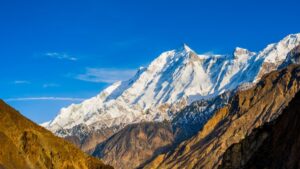
Hunza Valley combines natural scenery with living history and local culture. Visitors can explore the old settlements of Karimabad and Altit, see the restored Baltit and Altit forts, enjoy views of high peaks such as Lady Finger and Ultar, and travel along the Karakoram Highway through Upper Hunza.
The valley is also known for Attabad Lake, Duikar’s sunrise and sunset views, Passu’s distinctive mountain landscape, Borith Lake’s migratory birds and the high-altitude journey to Khunjerab Pass.
Hunza is suitable for families, couples, photographers, road-trip travellers and international visitors who want a slower mountain journey. However, distances between attractions, changing weather and mountain road conditions mean that a relaxed schedule is more enjoyable than trying to see everything in one day.
Hunza Valley Quick Facts
| Detail | Information |
| Location | Hunza District, Gilgit-Baltistan, Pakistan |
| Main tourist base | Karimabad |
| Main road route | Karakoram Highway |
| Famous for | Historic forts, lakes, glaciers, villages and mountain scenery |
| Major attractions | Baltit Fort, Altit Fort, Attabad Lake, Duikar, Passu and Khunjerab Pass |
| Local languages | Burushaski, Shina and Wakhi |
| Other widely spoken languages | Urdu and English |
| Currency | Pakistani rupee, PKR |
| Suggested stay | Four to six days for the main highlights |
| Travel style | Scenic road trip, heritage, nature and village exploration |
Best Places to Visit in Hunza Valley
1. Karimabad and Baltit Fort
Karimabad is one of the most convenient bases for exploring Hunza Valley. The town has historic lanes, local shops, restaurants, guesthouses and views across the surrounding mountains.
Baltit Fort stands above Karimabad and was historically connected with the rulers of Hunza. Its traditional construction, old rooms and elevated position make it one of the most important heritage attractions in the valley. Allow enough time for the uphill walk and the fort visit, especially if travelling with children or older family members.
Opening hours and entry fees can change, so confirm the latest information before planning your visit.
2. Altit Fort and Altit Village
Altit Fort is a historic fort located on a rocky hilltop overlooking the Hunza River. Official tourism information describes it as more than 900 years old. The fort provides an opportunity to learn about the region’s history, architecture and former royal settlements.
The surrounding Altit village is also worth exploring. Walk respectfully through the old lanes, notice the traditional homes and gardens, and ask before photographing local residents. The area is especially attractive during blossom and autumn seasons.
3. Attabad Lake
Attabad Lake is one of the most recognisable attractions in Hunza Valley. It is located in the Gojal region and was formed after a major landslide in January 2010 blocked the Hunza River.
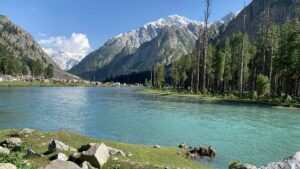
The lake is known for its bright blue water and mountain surroundings. Depending on the season and local operating conditions, visitors may find boating, jet skiing, fishing and other recreational activities. Always use the safety equipment provided by the operator and confirm prices before booking.
The lake can become busy during holidays. Visiting earlier in the day may provide better light for photography and a more comfortable experience.
4. Duikar and Eagle’s Nest
Duikar is a high viewpoint above the central Hunza area. It is commonly visited for sunrise, sunset and broad views over the valley. On clear nights, the area can also offer impressive views of the stars.
The road to the viewpoint can be steep in places. Arrange transport with a driver familiar with the local route, especially during winter or poor weather. If you plan to stay overnight, confirm heating, road access and electricity arrangements with the accommodation in advance.
5. Gulmit, Passu and the Upper Hunza Landscape
Gulmit and Passu are among the most scenic areas of Upper Hunza. The journey north passes through mountain villages, river scenery, glaciers and dramatic rock formations. Passu is particularly known for the pointed peaks commonly called the Passu Cones.
This area is ideal for photography, short walks and enjoying the landscape at a slower pace. Do not rush from one viewpoint to another. Some of the best experiences come from stopping in villages, visiting local shops and appreciating the route itself.
The Hussaini Suspension Bridge is another popular stop in the upper valley. Access and safety arrangements can change, so never cross if local managers have closed it or if conditions appear unsafe.
6. Borith Lake
Borith Lake is located in Upper Hunza near Ghulkin and Hussaini. It is a high-altitude lake and an important resting area for migratory wildfowl, including ducks, geese and swans.
The official tourism department identifies March to June and September to November as useful periods for seeing migratory birds. Keep your distance from wildlife, avoid loud noise and leave the area clean.
Road access and walking conditions can vary. Ask locally about the route before setting out, particularly after rain, snowfall or rockfall.
7. Sost and Khunjerab Pass
Sost is an important settlement on the route towards Khunjerab Pass and the Pakistan-China border. Khunjerab Pass is located at approximately 4,693 metres above sea level and is one of the world’s highest international border crossings.
The journey is scenic but involves high altitude and changing weather. The official Gilgit-Baltistan tourism department notes that the pass is closed during winter months, but exact access dates and border procedures can change. Confirm the latest road status, permissions and transport requirements before travelling.
International visitors should carry the required travel documents and check whether any additional border-area permissions are needed.
8. Ganish Heritage Area
Ganish is associated with old settlements, watchtowers, mosques and archaeological sites, including the Sacred Haldekish Rocks. It offers a quieter cultural experience away from the larger tourist viewpoints.
Visit respectfully and avoid entering private property without permission. Supporting local guides and community-run businesses can help make your visit more useful for residents.
How to Reach Hunza Valley
By Road from Islamabad or Rawalpindi
The Karakoram Highway is the main overland route used to reach Hunza. A road journey allows travellers to experience the changing landscape of northern Pakistan, but it is long and should be planned with rest stops and extra time.
Do not schedule a tight hotel check-in, flight connection or return appointment immediately after arrival. Traffic, weather, road repairs, landslides and temporary closures can affect the journey.
Some itineraries use the Babusar route when it is open. This route is seasonal, so it should never be assumed to be available throughout the year.
By Air to Gilgit
Travellers may be able to fly from Islamabad to Gilgit and then continue to Hunza by road. Flight schedules and operations can change because of weather, so check the latest timetable and flight status directly with the airline.
From Gilgit, arrange a private vehicle, local taxi or transfer service to continue towards Hunza.
By Bus
NATCO and private transport operators serve routes connecting major cities with Gilgit-Baltistan. NATCO publishes route, fare and booking information through its official channels. Confirm the departure point, arrival location, luggage policy and current schedule before travelling.
Local Transport in Hunza
A private car with a local driver is convenient for visiting several attractions. Central Hunza and Upper Hunza are spread across different settlements, so local transport makes it easier to adjust plans according to weather and road conditions.
Travel Time and Distance
There is no single travel time for “Hunza” because the valley includes areas from central Hunza to Sost and Khunjerab. The journey also depends on whether you are travelling to Karimabad, Aliabad, Passu or another settlement.
From Islamabad, plan for a long road journey rather than relying on a fixed number of hours. From Gilgit, Hunza is reached by road, but the final duration still depends on traffic, stops and conditions on the Karakoram Highway.
Keep at least one flexible day in your schedule if travelling during winter, the monsoon period or a busy holiday season.
Best Time to Visit Hunza Valley
| Season | What to Expect | Best For |
| Spring | Blossoms, fresh greenery and pleasant sightseeing conditions | Photography and village walks |
| Summer | Greener landscapes and better access to many upper-valley activities | Families, road trips and outdoor exploration |
| Autumn | Golden foliage and clear mountain scenery | Photography and sightseeing |
| Winter | Snow, cold weather and quieter surroundings | Experienced cold-weather travellers |
Blossom timing changes according to altitude and yearly weather, so exact dates cannot be guaranteed. Summer may offer easier access to some areas, but rain and landslides can still disrupt mountain roads.
Autumn is popular for colourful foliage, while winter requires more preparation. Khunjerab Pass may be closed during winter, and some roads or services may become difficult to access.
How Many Days Do You Need?
Three days can cover the main attractions around Karimabad, including Baltit Fort, Altit Fort, Duikar and Attabad Lake.
Four to six days is more comfortable because it allows time for Upper Hunza, including Gulmit, Passu and Borith Lake. Add more time if you want to include Khunjerab Pass, village walks, photography stops or a buffer day for bad weather.
If you are travelling from Islamabad by road, remember that the journey to and from Hunza requires additional travel time outside the valley.
Where to Stay in Hunza Valley
| Area | Best For |
| Karimabad | First-time visitors, forts, markets, restaurants and central sightseeing |
| Aliabad | Shops, transport links and practical accommodation |
| Duikar | Sunrise, sunset and mountain views |
| Gulmit | Upper Hunza scenery and village experiences |
| Passu | Passu Cones, glaciers and northern attractions |
| Sost | Travellers planning an upper Hunza or Khunjerab route |
Karimabad is usually the most practical base for first-time visitors. Duikar offers elevated views but may be colder and less convenient for frequent road trips.
When booking accommodation, confirm heating, hot water, electricity backup, Wi-Fi, parking, family-room availability and cancellation terms. Hotel rates vary according to season, room type and demand, so request current prices directly.
Food, Shopping and Travel Costs
Hunza is known for fruit, especially apricots, apples, cherries, mulberries and grapes. Travellers can also look for dried fruit, jams, local breads and regional dishes in restaurants and guesthouses.
When purchasing local products, ask whether they are made locally and check packaging before buying. Carry some Pakistani rupees because payment options may vary outside the main commercial areas.
Instead of relying on old online prices, calculate your budget using these categories:
- Transport from your departure city
- Private vehicle or local driver
- Accommodation per room and night
- Food and drinks
- Fort entry fees
- Lake activities and equipment
- Local guides
- Extra fuel, weather delays and emergency expenses
Ask whether a quotation is per person, per vehicle, per room or for the complete group. Confirm what is included before making payment.
Safety and Travel Tips
- Check weather and road conditions before leaving and again during the journey.
- Keep extra time for landslides, snowfall, traffic and road closures.
- Try to complete mountain driving during daylight.
- Use seat belts and avoid risky stops near cliffs, loose rocks or river edges.
- Wear a life jacket for boating or water activities.
- Do not enter restricted areas or cross bridges that are closed.
- Spend time acclimatising before travelling to very high areas such as Khunjerab Pass.
- Save the Gilgit-Baltistan Tourist Police numbers: 1422 within Gilgit-Baltistan and 05811-930055 outside the region.
- Ask before photographing people, homes, religious places or private property.
- Dress respectfully in villages and around religious or heritage sites.
- Avoid littering and do not damage fruit trees, historic structures or natural areas.
- International visitors should verify visa, identification and border-area requirements before departure.
What to Pack for Hunza Valley
Pack warm layers even during warmer months because evenings can become cold. Comfortable walking shoes with good grip are useful for forts, village lanes and uneven paths.
Other useful items include:
- Windproof or waterproof jacket
- Sunglasses and sunscreen
- Personal medicines and basic first-aid supplies
- Reusable water bottle
- Power bank and charging cables
- Snacks for long road journeys
- Pakistani currency
- Passport or identification documents
- Offline maps and important contact numbers
During winter, ask your driver or local accommodation about suitable vehicles, snow equipment and current access before travelling.
Sample Five-Day Hunza Valley Itinerary
| Day | Suggested Plan |
| Day 1 | Arrive in Karimabad, rest and explore the local market |
| Day 2 | Visit Baltit Fort, Karimabad and Duikar |
| Day 3 | Explore Altit Fort, Altit village and Attabad Lake |
| Day 4 | Travel through Gulmit and Passu; consider Borith Lake or Hussaini |
| Day 5 | Visit Sost and Khunjerab Pass if open and permitted, or keep this as a flexible weather day |
This itinerary should be adjusted according to your arrival method, road conditions and the time of year. Travellers arriving by road from Islamabad may need additional transit days.
FAQs
What is Hunza Valley famous for?
Hunza Valley is famous for its Karakoram mountain scenery, Baltit and Altit forts, Attabad Lake, Passu landscape, local fruit, traditional villages and the road to Khunjerab Pass.
How many days are enough for Hunza Valley?
Four to six days are suitable for the main attractions and Upper Hunza. Three days can cover central Hunza, while longer trips are better for Khunjerab, village walks and flexible travel.
How can I reach Hunza Valley from Islamabad?
You can travel by road along the Karakoram Highway or fly to Gilgit and continue by road. Bus services may also be available through NATCO and private operators. Confirm current schedules before booking.
What is the best time to visit Hunza Valley?
Spring is suitable for blossoms, summer for greener landscapes and road trips, autumn for foliage and winter for snow. Conditions vary every year, especially in high-altitude areas.
Is Hunza Valley suitable for families?
Yes, families can enjoy Hunza with a relaxed schedule. Plan carefully for long road journeys, uneven walking surfaces, cold weather and changing mountain conditions.
Is Khunjerab Pass open throughout the year?
No. Khunjerab Pass may close during winter, and access can also be affected by weather, road conditions and official border procedures. Confirm the latest status before travelling.
What should I pack for a Hunza Valley trip?
Pack warm layers, comfortable shoes, sun protection, personal medicines, a power bank, snacks, cash, identification documents and a waterproof jacket.
Are entry fees and activity prices fixed in Hunza?
No. Fort tickets, boating charges, transport rates and accommodation prices can change. Confirm the current price and what is included before paying.