The K2 Base Camp trek is one of Pakistan’s most demanding high-altitude trekking journeys. The traditional route begins in Skardu, continues by road to Askole, and then follows the Braldu Valley, Baltoro Glacier and Concordia before reaching the base camp of K2.
This is not a climb to the summit of K2. Trekkers do not need to attempt the mountain itself, but they must be prepared for remote wilderness, glacier travel, rough terrain, tent camping, cold conditions and an altitude of approximately 5,100 metres at base camp.
Table of Contents
- K2 Base Camp quick facts
- What the trek is like
- K2 Base Camp route and key stages
- How long the trek takes
- How to reach the trailhead
- Best time to visit
- Permits, visas and guides
- Difficulty, fitness and packing
- Accommodation, food and costs
- Safety and responsible trekking
- Is the trek suitable for you?
K2 Base Camp Quick Facts
| Detail | Information |
| Location | Gilgit-Baltistan, Pakistan |
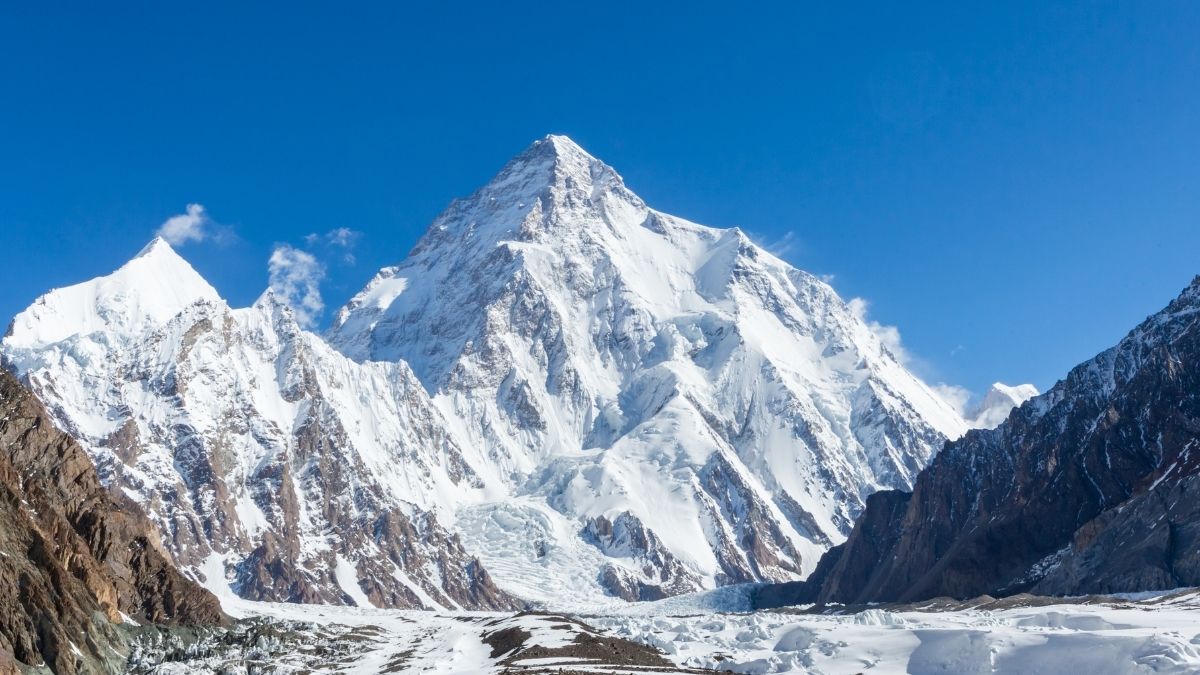
| Mountain | K2, approximately 8,611 metres |
| Main gateway | Skardu |
| Traditional trailhead | Askole |
| Main route | Askole, Paiju, Urdukas, Goro, Concordia and K2 Base Camp |
| Base camp elevation | Around 5,100 metres, depending on the camp location |
| Walking distance | More than 100 kilometres return from Askole, depending on side trips and route conditions |
| Typical duration | Around 20 to 21 days overall, with approximately 12 to 14 days on foot on many guided itineraries |
| Main season | June to early September |
| Most popular months | July and August |
| Accommodation | Organised tent camping beyond Askole |
| Difficulty | Strenuous and remote |
Published itineraries use different camp names, distances and altitudes. Weather, glacier conditions, acclimatisation and permit arrangements can change the schedule, so treat these figures as planning estimates rather than fixed rules.
What Is the K2 Base Camp Trek Like?
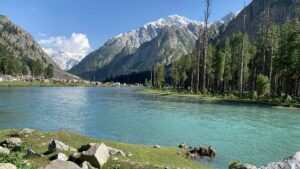
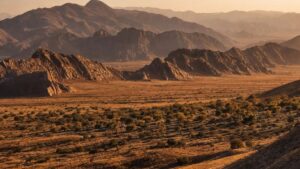
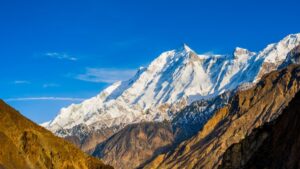
K2 Base Camp is located in the Karakoram Range of Gilgit-Baltistan. K2 itself rises to approximately 8,611 metres and stands near the Pakistan-China border. The trek approaches the mountain from the Pakistani side through a landscape of glaciers, rocky moraines, high valleys and enormous granite peaks.
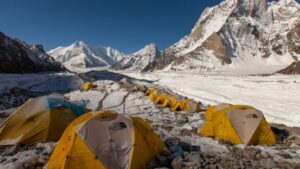
The journey becomes increasingly remote after Askole. There are no ordinary hotels or reliable shops along the main wilderness section, so food, tents, cooking equipment, toilets and other supplies must be organised by the trekking crew.
The standard route is generally considered a strenuous trek rather than a technical mountain climb. However, walking on glacier terrain and uneven moraine requires concentration, balance and proper guidance. The combination of altitude, long walking days, cold nights and limited access to medical help makes the trek significantly more serious than a normal hiking holiday.
K2 Base Camp Route and Key Stages
The exact camp sequence can change between operators. You may also see different spellings, including Askole or Askoli, Paiju or Paiyu, and Goro or Gore.
| Route stage | What to expect |
| Islamabad to Skardu | Most organised trips begin with arrival, briefing and logistics in Islamabad before travelling to Skardu. |
| Skardu to Askole | A 4WD or jeep journey usually passes through the Shigar and Dassu area before reaching Askole. |
| Askole to Paiju | The walking route follows the Braldu Valley. The journey to Paiju commonly takes two to three walking days. |
| Paiju to Urdukas | The trail moves towards the Baltoro Glacier and increasingly rough moraine terrain. |
| Urdukas to Goro | Trekkers continue across glacier and rocky surfaces while gaining altitude. |
| Goro to Concordia | Concordia is the major scenic point where the Baltoro and Godwin-Austen glacier systems meet. |
| Concordia to Broad Peak and K2 Base Camp | The route continues towards Broad Peak Base Camp and then K2 Base Camp, usually returning to Concordia or another nearby camp. |
| Return to Askole | Most classic itineraries retrace the Baltoro route back to Askole before the jeep transfer to Skardu. |
Concordia is an important part of the experience, not merely a place to sleep. It offers a wide mountain panorama and is often considered one of the major highlights of the entire trek.
Classic Route or Gondogoro La?
The classic K2 Base Camp trek normally follows the Baltoro route in both directions. Some itineraries add the Gondogoro La traverse after visiting K2 Base Camp.
Gondogoro La is a demanding high mountain pass involving steeper snow and ice terrain, fixed-line sections and greater exposure. It should only be selected when the operator confirms that conditions are suitable and the trekker has the required experience and confidence. Do not assume that a K2 Base Camp package automatically includes Gondogoro La.
How Long Does the K2 Base Camp Trek Take?
A complete K2 Base Camp trip commonly requires around three weeks when Islamabad, Skardu, road transfers, walking days, rest periods and weather delays are included.
A typical planning outline may look like this:
| Trip phase | Approximate plan |
| Islamabad | Arrival, briefing, document and permit checks |
| Skardu | Travel, equipment checks, supplies and preparation |
| Askole transfer | 4WD journey from Skardu towards the trailhead |
| Approach trek | Askole through Paiju, Urdukas and Goro |
| Concordia and K2 Base Camp | Rest or acclimatisation time, Broad Peak Base Camp and K2 Base Camp visit |
| Return trek | Walk back through the Baltoro route to Askole |
| Final transfers | Jeep journey to Skardu and onward travel to Islamabad |
This is only an example. A responsible operator should include flexibility for flight disruption, road conditions, glacier movement, weather and individual acclimatisation.
How to Reach K2 Base Camp
Islamabad to Skardu
International travellers generally begin in Islamabad. Pakistani travellers joining an organised group may also be asked to meet the team there for the briefing and paperwork.
The usual option is a domestic flight to Skardu when flights are operating. Skardu flights can be affected by weather and operational changes, so avoid booking a tight connection with an international departure.
A road journey is another possibility, but the route is much longer and can be affected by landslides, snowfall, road closures, protests or other local conditions. Check the latest advice from your transport provider and local authorities before travelling.
Skardu to Askole
Skardu is the main gateway for the K2 and Baltoro region. It is normally the last major town for final equipment checks, food supplies, crew arrangements and administrative work.
From Skardu, the route generally continues by 4WD or jeep through the Shigar and Dassu area towards Askole. Askole is the traditional final village before the route enters the remote glacier and mountain wilderness.
Exact road conditions and travel times should be confirmed with the trekking operator shortly before departure.
Best Time to Visit K2 Base Camp
The main trekking season is generally from June to early September, with July and August being the most commonly selected months.
| Month | Planning considerations |
| June | The season may be opening, but snow, glacier and access conditions can still vary. |
| July | Usually one of the most popular months, with many trekking and climbing groups in the region. |
| August | Still within the main season, although weather can change quickly. |
| Early September | Possible with suitable planning, but nights become colder and the seasonal window is narrower. |
| Other months | Winter conditions, snow and access problems make the route unsuitable for ordinary trekking plans. |
Even during summer, weather in the Karakoram can change quickly. Build flexibility into the itinerary and confirm current trail conditions with a licensed operator before travelling.
Permits, Visas and Guides
The K2 Base Camp route passes through remote, protected and border-sensitive mountain areas. Permit requirements, environmental charges and local procedures can change.
The Directorate of Tourist Services Gilgit-Baltistan advises trekkers to use licensed guides, obtain required permits and inform authorities about their route. Many organised operators handle the main permit process, but travellers should ask for written confirmation of what is included.
Before booking, confirm:
- Trekking and restricted-area permits
- Any environmental or waste-management charges
- Registration requirements in Gilgit-Baltistan
- Guide and operator licensing
- Porter and camp-crew arrangements
- Emergency and evacuation procedures
- Required documents and passport copies
Foreign travellers should check Pakistan’s official online visa system to determine whether a tourist or mountaineering and trekking category applies to their nationality and itinerary. Visa requirements and supporting documents can differ, so do not rely on an old blog or an operator’s informal message.
The climbing royalty fee for attempting the summit of K2 should not automatically be confused with the charges for trekking to base camp. Ask the operator for an itemised quote showing each current fee separately.
Difficulty, Fitness and Preparation
The trek is best suited to people who can walk for several consecutive days on steep, rocky and uneven ground. Previous experience with multi-day hiking or high-altitude trekking is useful, although it does not remove the risk of altitude illness.
Preparation should include:
- Long uphill walks on consecutive days
- Stair climbing and lower-body strength training
- Walking with a daypack
- Practice using trekking poles
- Training in different weather conditions
- Breaking in trekking boots before the trip
- Learning how to layer clothing
- Discussing high-altitude travel with a doctor if you have a medical condition
Essential Packing List
Your operator should provide a route-specific gear list. Important items commonly include:
- Waterproof, broken-in trekking boots
- Warm base layers and fleece layers
- Insulated jacket and waterproof outer shell
- Warm gloves, hat and sun protection
- Sunglasses with strong UV protection
- Trekking poles
- Sleeping bag suitable for freezing mountain nights
- Headlamp with spare batteries
- Reusable water bottles and a water-treatment method
- Personal medication and a basic first-aid kit
- Blister treatment and lip balm
- Sunscreen and high-protection sunglasses
- Power bank and waterproof storage bags
- Passport copies, permits and emergency contact details
- High-energy snacks and any special dietary items
Do not assume that every item will be available for rent in Skardu. Confirm local rental options before leaving home, especially for boots, sleeping bags and technical glacier equipment.
Accommodation, Food and Trek Costs
Where to Stay
Most travellers spend nights in hotels or guesthouses in Islamabad and Skardu before and after the trek. Once the route leaves Askole, accommodation normally changes to organised tent camping.
Ask the operator whether the package includes:
- Islamabad accommodation
- Skardu accommodation
- Tents and sleeping mats
- Dining and toilet tents
- Meals during the trek
- Jeeps between Skardu and Askole
- Porter allowances
- Permits and administrative fees
- Domestic flights or road transfers
- Additional nights caused by weather delays
Food and Water
Guided groups generally use cooks and camp staff to prepare meals. Carry snacks that suit your routine, particularly if you need specific foods or have allergies. Confirm how drinking water is collected, filtered or treated during the trek.
How Much Does the Trek Cost?
There is no single standard K2 Base Camp price. The total depends on the operator, group size, transport, hotels, guide service, porter allowance, permits, insurance, equipment and number of contingency days.
Ask whether each charge is calculated per person, per vehicle, per night or for the complete group. Your personal budget should also allow for:
- Travel to and from Islamabad
- Domestic transport to Skardu
- Visa fees, where applicable
- Travel and evacuation insurance
- Personal trekking gear
- Tips for guides and porters
- Snacks and personal supplies
- Extra hotel nights
- Weather-related changes
Always request a current written quotation instead of relying on a historic price found online.
Safety and Responsible Trekking
Altitude Awareness
Altitude illness can affect people who are fit as well as those who are inexperienced. Common symptoms include headache, nausea, tiredness, dizziness, loss of appetite and disturbed sleep.
Do not continue climbing if symptoms are getting worse. Tell your guide immediately and follow the group’s acclimatisation plan. Confusion, poor coordination, breathlessness at rest or a worsening condition require urgent descent and medical attention.
Discuss medicines such as acetazolamide with a qualified doctor before the trek. Do not self-prescribe based only on internet advice.
Weather and Glacier Conditions
Stay with the guide and follow instructions during glacier crossings, river crossings and bad weather. Do not walk alone or leave the marked group route to take photographs.
Ask the operator how they monitor:
- Weather forecasts
- Glacier and river conditions
- Emergency communication
- Medical support
- Evacuation arrangements
- Alternative camps and routes
A standard travel insurance policy may exclude high-altitude trekking or evacuation. Obtain written confirmation that your policy covers the planned altitude and activities.
Security and Local Advice
Conditions in Gilgit-Baltistan can change because of weather, road closures, demonstrations, security restrictions or transport disruption. Check your government’s latest travel advice and follow instructions from local authorities and your licensed operator.
Protecting the Environment
The Baltoro landscape is fragile and remote. Trekkers should:
- Carry waste to an approved disposal point
- Use designated camping and toilet facilities
- Avoid single-use plastic where possible
- Never leave batteries or packaging on the trail
- Keep a respectful distance from wildlife
- Respect local villages, workers and community rules
- Avoid damaging rocks, plants or glacier features
Is the K2 Base Camp Trek Suitable for You?
The trek may suit travellers who want a remote Karakoram experience and are prepared for high altitude, basic camping and physically demanding walking. It is not appropriate for anyone expecting frequent hotels, guaranteed transport schedules or an easy sightseeing route.
For most trekkers, the classic out-and-back route is the clearest choice if the main goal is to experience the Baltoro Glacier, Concordia and K2 Base Camp. The Gondogoro La option should be treated as a separate, more demanding route decision.
FAQs
Is K2 Base Camp the same as climbing K2?
No. Trekking to K2 Base Camp means walking to the expedition area below the mountain. Climbing K2 requires technical mountaineering skills, specialist equipment, permits and a separate expedition plan.
How long does the K2 Base Camp trek take?
Many guided trips allow around 20 to 21 days overall, including Islamabad, Skardu, road transfers, trekking, rest days and return travel. The walking section commonly takes around 12 to 14 days, but schedules vary.
What is the best month for the K2 Base Camp trek?
July and August are usually the most popular months. June and early September may also be possible, depending on weather, glacier conditions, road access and the operator’s current schedule.
How difficult is the K2 Base Camp trek?
It is a strenuous high-altitude trek involving rough moraine, glacier travel, cold nights, remote camping and long days. It is not a casual hike, even though the standard route does not involve climbing to the summit of K2.
Do I need a guide for K2 Base Camp?
Travellers should plan with a licensed guide and an experienced, licensed operator. The route is remote and may involve permits, restricted-area procedures, glacier travel and emergency logistics.
Do foreign travellers need a visa?
Visa requirements depend on nationality and travel purpose. Foreign visitors should check Pakistan’s official online visa system and confirm whether a tourist or trekking-related category applies.
Where does the trek start?
The wider journey usually begins in Islamabad, continues to Skardu and then travels by jeep towards Askole. The walking route traditionally begins at or near Askole.
Is there hotel accommodation on the trail?
Beyond Askole, trekkers should expect organised tent camping rather than regular hotels or teahouses. Confirm the tent, food, toilet and porter arrangements with the operator.
Is Gondogoro La part of every K2 Base Camp trek?
No. Gondogoro La is an optional route variation on some itineraries. It is more demanding and requires suitable conditions, experienced guides and trekkers who are prepared for steeper snow and ice terrain.