Hazarganji-Chiltan National Park is one of the most important natural attractions near Quetta, Balochistan. Established in 1980, the park protects the habitat of the rare Chiltan markhor, also known as the Chiltan wild goat. It is located approximately 20 kilometres southwest of Quetta and extends across rugged mountain terrain in the Quetta and Mastung districts.
Unlike a developed city park, Hazarganji-Chiltan National Park is a protected mountain landscape with rocky slopes, ravines, scrub vegetation and wildlife habitat. Visitors should plan carefully, confirm access details before leaving Quetta, and avoid assuming that entry fees, opening hours, food facilities or camping services are available.
Table of Contents
- Quick facts
- Why visit Hazarganji-Chiltan National Park?
- Wildlife and natural landscape
- Things to do
- How to reach the park from Quetta
- Best time to visit
- Entry fees, opening hours and permissions
- Where to stay and eat
- What to pack
- Safety and responsible travel
- Suggested one-day itinerary
Quick Facts
| Detail | Information |
| Location | Balochistan, Pakistan |
| Administrative area | Quetta and Mastung districts |
| Nearest city | Quetta |
| Distance from Quetta | Approximately 20 kilometres southwest |
| Established | 1980 |
| Main attraction | Chiltan markhor or Chiltan wild goat |
| Landscape | Rocky mountains, ravines, scrubland and forest areas |
| Responsible authority | Balochistan Forests & Wildlife Department |
| Current fees and timings | Confirm before travelling |
Why Visit Hazarganji-Chiltan National Park?
The park is primarily known for its conservation value rather than commercial entertainment. It protects a distinctive mountain habitat close to Quetta and offers visitors the chance to experience Balochistan’s dry upland landscape.
The Chiltan markhor is the park’s most important attraction. Wildlife sightings are never guaranteed, but the possibility of seeing wild goats, birds of prey and other native species adds interest to a visit. The landscape itself is also a major reason to go. The contrast between rocky mountains, open valleys and sparse vegetation creates excellent opportunities for nature photography.
Hazarganji-Chiltan National Park may suit travellers who enjoy quiet outdoor places, short nature walks, birdwatching and scenic drives. It can also be included in a Quetta itinerary as a half-day or full-day nature excursion, depending on access conditions and the time available.
Visitors should not expect the same facilities found at a fully developed recreational park. It is better to approach the destination as a protected wilderness area that requires preparation.
Wildlife and Natural Landscape
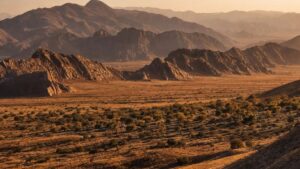
Hazarganji-Chiltan National Park contains steep mountain slopes, gullies, deep ravines, rocky cliffs, scrub grasslands and forest areas. Published wildlife research has also identified habitats connected with Hazarganji and Chiltan reserve forests, foothill plains and seasonal nullahs.
A field study published by researchers from the University of Karachi recorded 30 mammal species, 120 bird species, 25 reptile species and four amphibian species during research conducted between 2006 and 2009. These figures describe the findings of that study and should not be treated as a guarantee of what visitors will see today.
The Chiltan markhor remains the park’s defining animal. Other wildlife recorded in research about the area includes urial, jackal, fox, caracal, porcupine, hedgehog and several smaller mammals. Birds associated with the park include raptors, partridges, vultures, falcons and other species adapted to dry mountain environments.
Wildlife is often difficult to observe because many animals avoid people and blend into the rocky surroundings. Travellers should bring binoculars if possible, remain quiet and avoid chasing animals for photographs.
Things to Do in Hazarganji-Chiltan National Park
Wildlife Watching
Wildlife watching is the main reason many visitors are interested in the park. Look carefully across mountain slopes, rocky ledges and open areas rather than expecting animals to appear beside the road.
Early morning is usually a practical time for wildlife observation because the air is cooler and natural light is better for photography. Sightings depend on weather, season, noise levels and the condition of the habitat.
Never feed animals, approach them closely or attempt to block their route. A respectful distance is safer for both visitors and wildlife.
Hiking and Nature Walks
The rugged terrain provides opportunities for walking and hiking, but visitors should only use routes that are approved or clearly known to local staff. Not every visible track is a safe or suitable trail.
Wear shoes with good grip and avoid walking alone into ravines or unfamiliar mountain sections. If you are travelling with children or older family members, choose a short and manageable walk rather than attempting a difficult climb.
There may be no reliable signs, rest areas or maintained trails across every part of the park. A local guide or experienced driver can help visitors understand which areas are suitable for a day visit.
Landscape Photography
The park is well suited to wide landscape photographs showing dry mountains, rocky slopes, valleys and changing light. Morning and late-afternoon light can add depth to the landscape, although visitors should return before dark.
Do not climb unstable rocks for photographs or enter restricted areas. If you plan to use a drone, confirm permission with the relevant authority before taking it into the park.
Birdwatching
The combination of mountain terrain, scrub and forest habitat makes the area interesting for birdwatchers. Carry binoculars, keep conversations quiet and avoid playing recorded bird calls.
A simple notebook can be useful for recording the date, location and species observed. Do not disturb nests or attempt to capture birds.
Picnicking
A short picnic can be part of a family day trip if the selected area permits it. Carry prepared food, drinking water and a waste bag because food shops and dependable refreshment facilities inside the park have not been reliably confirmed.
Avoid lighting fires unless the park authority specifically allows it. Take all packaging and leftover food back with you.
How to Reach Hazarganji-Chiltan National Park from Quetta
Quetta is the most practical base for visiting Hazarganji-Chiltan National Park. Published research places the park approximately 20 kilometres southwest of the city. The general approach is associated with the Quetta-Karachi road corridor, also known as the N-25 route.
The exact entrance and final approach should be confirmed locally before travelling. Research on the park identifies multiple entrance points, while map listings and local road conditions may not always provide consistent information.
By Private Car
A private car is the most flexible option because it allows visitors to carry water, food, warm clothing and emergency supplies. Use a driver who knows the Quetta area and confirm the route before departure.
Some approaches may include rough or uneven tracks. Ask about the current road condition, vehicle suitability and parking arrangements before setting out.
By Hired Car or Taxi
Travellers staying in Quetta can arrange a hired car or taxi for the day. Agree on the fare, waiting time, return arrangements and exact destination before starting the trip.
A driver familiar with local conditions may also help identify the correct approach. However, transport arrangements should not replace confirmation from the park authority regarding access and permissions.
By Public Transport
A reliable park-specific public transport schedule could not be verified. Travellers should not depend on a bus timetable unless they confirm the route locally in Quetta. Reaching the park entrance and returning to the city may be difficult without a private vehicle or pre-arranged transport.
Best Time to Visit
Spring and autumn are generally the most comfortable seasons for outdoor activities around Quetta. March to May can offer pleasant conditions for walking, while late September to November is often suitable for photography and sightseeing.
Summer visits should begin early because exposed mountain terrain can become uncomfortable during the middle of the day. Carry more water than you expect to need and use sun protection.
Winter can bring very cold conditions in the Quetta area, especially in the morning and after sunset. Travellers visiting during winter should carry warm layers and check the latest weather forecast before leaving.
Rain can make dirt tracks slippery and increase risks around ravines and steep slopes. If heavy rain is forecast, postpone hiking and confirm that the route remains open.
Entry Fees, Opening Hours and Permissions
A dependable, current official entry fee and park-specific opening schedule were not available from a verified public source. Travellers should avoid relying on old blogs, social media posts or third-party listings for this information.
Before visiting, confirm:
- Current gate opening and closing times
- Entry charges for individuals and vehicles
- Whether a permit is required
- Whether photography or drone use has restrictions
- Whether camping is permitted
- Whether rest houses or visitor facilities are operating
- Current road and security conditions
The Balochistan Forests & Wildlife Department or the local park office should be treated as the final authority. Confirm these details shortly before travelling because conditions and policies can change.
Where to Stay and Eat
Quetta is the most practical base for a visit to the park. Travellers can arrange accommodation in the city and plan a day trip with a private vehicle or local driver.
Current availability of accommodation inside the national park has not been reliably confirmed. Older descriptions mention facilities such as rest houses and picnic areas, but visitors should not assume that these are open, bookable or maintained today.
Food and water facilities inside the park should also not be taken for granted. Buy supplies in Quetta or carry enough food and drinking water for the complete outing. Keep food sealed, avoid feeding wildlife and take all waste back with you.
What to Pack
For a comfortable visit, carry:
- Drinking water
- Packed food and snacks
- Comfortable walking shoes
- A warm layer, even outside winter
- Sun hat, sunscreen and sunglasses
- Basic first-aid supplies
- Binoculars or a camera with a zoom lens
- Power bank and fully charged mobile phone
- Waste bags
- Printed directions or an offline map
- Identification and emergency contact details
Pack lightly, but do not leave essential supplies behind simply because the park is close to Quetta.
Safety and Responsible Travel
Check the latest local security and road information before travelling. Balochistan travel conditions can change, and visitors should follow instructions from local authorities, park officials and security personnel.
Travel during daylight and avoid planning a late return through unfamiliar mountain roads. Tell someone in Quetta where you are going and when you expect to return.
Stay with your group and avoid exploring deep ravines or isolated tracks alone. Mobile coverage should not be assumed across every section of the park, so do not rely only on a phone for navigation or emergencies.
As a protected area, the park should be visited with minimal environmental impact. Do not hunt, disturb animals, collect plants or rocks, damage vegetation, or leave rubbish behind. Keep noise low and never drive off approved routes.
Families can enjoy a nature outing, but the terrain may not be suitable for wheelchairs, prams or visitors with limited mobility. Formal accessibility facilities have not been reliably confirmed, so ask about the ground conditions before travelling.
Suggested One-Day Itinerary
Before Leaving Quetta
Confirm the route, entrance, current access conditions, fees and weather forecast. Arrange transport and carry food, water and warm clothing.
Morning
Leave Quetta during daylight and reach the confirmed entrance with enough time for a relaxed visit. Ask park staff which areas are open and whether any restrictions apply.
Late Morning
Take a short approved walk, observe the landscape and look for birds or signs of wildlife. Keep a safe distance from animals and avoid loud conversations.
Afternoon
Have a packed meal only in an approved area. Spend time photographing the mountains and vegetation, then begin the return journey while there is still good daylight.
Evening
Return to Quetta rather than attempting an unplanned overnight stay inside the park. If camping or park accommodation is available, use it only after receiving confirmation and permission from the relevant authority.
Hazarganji-Chiltan National Park is best suited to travellers who value wildlife, mountain scenery and responsible outdoor exploration. With confirmed access, suitable transport and realistic expectations about facilities, it can be a rewarding addition to a Quetta and Balochistan travel plan.
FAQs
Where is Hazarganji-Chiltan National Park located?
The park is in Balochistan, approximately 20 kilometres southwest of Quetta. It lies across parts of the Quetta and Mastung districts.
What is Hazarganji-Chiltan National Park famous for?
It is best known as a protected habitat for the Chiltan markhor, also called the Chiltan wild goat. The park is also valued for its rugged mountain scenery and biodiversity.
How can I reach the park from Quetta?
The park is generally approached from Quetta through the Quetta-Karachi road corridor. Confirm the exact entrance and road condition locally before travelling.
Is there a public bus to Hazarganji-Chiltan National Park?
A reliable park-specific bus schedule could not be verified. A private car, hired taxi or arranged local driver is a more practical option.
What is the best season to visit?
Spring and autumn are generally more comfortable for walking and sightseeing. Summer visitors should start early, while winter travellers should prepare for very cold conditions.
Is there an entry fee?
A current official entry fee was not reliably available. Confirm the latest fee directly with the Balochistan Forests & Wildlife Department or the local park office.
Can visitors camp inside the park?
Camping should only be considered if it is currently permitted and a designated site is available. Confirm permission, facilities and security conditions before carrying camping equipment.
Can I see Chiltan markhor during a visit?
You may see wildlife, but sightings are never guaranteed. Visit quietly, use binoculars if possible and avoid approaching or feeding animals.
Is the park suitable for families?
Families can plan a short nature outing, but the terrain is rugged and visitor facilities may be limited. Children and older travellers should remain supervised on uneven ground.