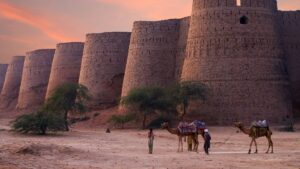
Altit Fort is one of the oldest and most historically significant landmarks in Hunza Valley, Gilgit-Baltistan. Perched dramatically on a rocky cliff overlooking the Hunza River, this ancient fort tells the story of royal power, strategic defense, and cultural evolution in northern Pakistan. Often discussed alongside Baltit Fort, Altit Baltit Fort together represent the legacy of the Hunza rulers and their remarkable architectural vision.
Introduction to Altit Fort
Altit Fort is more than 900 years old and stands as a testament to the ingenuity and resilience of the people of Hunza. Long before Baltit Fort became the royal residence, Altit Fort served as the original seat of power for the rulers of Hunza. Today, it has been beautifully restored and is managed by the Aga Khan Cultural Service Pakistan (AKCSP), making it a must-visit destination for history lovers and travelers.
Altit Fort History and Background
When Was Altit Fort Built?
Altit Fort dates back to around the 11th century, making it one of the oldest surviving forts in the region. Its strategic location allowed rulers to control trade routes and protect the valley from invasions.
Altit Fort Built by Which Family?
A common question among visitors is: Altit Fort built by which family?
Altit Fort was built by the ruling family of Hunza, the Ayasho dynasty, who later came to be known as the Mir of Hunza family.
In other words, Altit Fort was built by which family?
It was constructed by the Hunza royal family, ancestors of the Mirs who ruled the region for centuries.
Architecture and Strategic Importance of Altit Fort
Unique Architectural Design
Altit Fort showcases traditional Hunza architecture using stone, wood, and mud. Its narrow corridors, small windows, and thick walls were designed for defense rather than comfort.
Strategic Location
- Built on a steep cliff for natural defense
- Overlooks ancient trade routes
- Controlled access to the Hunza Valley
This strategic planning explains why Altit Fort remained a stronghold for generations before the royal family moved to Baltit Fort.
Altit Baltit Fort Understanding the Connection
Many travelers search for Altit Baltit Fort, thinking they are a single structure. In reality:
- Altit Fort is the older fort and original royal residence
- Baltit Fort was later built and became the new palace of the Hunza rulers
Together, Altit and Baltit Forts represent different phases of Hunza’s royal and political history.
Restoration and Cultural Significance
After being abandoned for several decades, Altit Fort faced serious structural damage. Thanks to conservation efforts by AKCSP:
- The fort was fully restored
- Altit village was revitalized
- Local tourism and employment increased
Today, Altit Fort serves as a cultural museum and heritage site, preserving Hunza’s traditions for future generations.
Visiting Altit Fort Travel Tips
Best Time to Visit
- April to October for pleasant weather
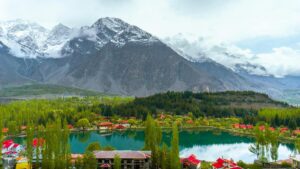
- Spring offers cherry blossoms, autumn brings golden landscapes
Visitor Tips
- Hire a local guide to understand the history deeply
- Visit Altit village and Royal Garden Altit nearby
- Combine your trip with Baltit Fort for a complete experience
Why Altit Fort Is Important Today
Altit Fort is not just an old building; it is a symbol of sustainable heritage tourism. Its restoration model is now studied globally as an example of how cultural preservation can uplift local communities.
Conclusion
Altit Fort stands as a powerful reminder of Hunza’s royal past and architectural brilliance. Built by the Hunza royal family, this historic fort laid the foundation for governance in the valley long before Baltit Fort rose to prominence. Whether you are interested in history, culture, or breathtaking landscapes, Altit Fort and its connection to Altit Baltit Fort makes it an unforgettable destination in northern Pakistan.