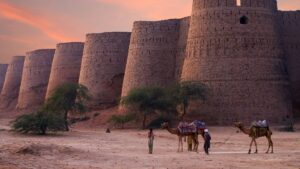
The Khyber Pass is one of the most historically significant mountain passes in the world. Renowned for its strategic importance, this pass has served as a crucial link between Central Asia and the Indian subcontinent for centuries. It not only carries the weight of history but also continues to play a vital role in trade, travel, and geopolitical strategy.
What is Khyber Pass?
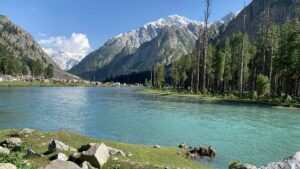
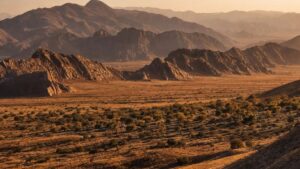
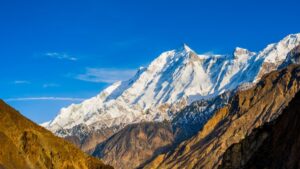
The Khyber Pass is located in the mountainous region of Khyber Pakhtunkhwa, Pakistan, and stretches into eastern Afghanistan. It has been a key corridor for traders, invaders, and travelers throughout history. The pass’s rugged terrain and breathtaking landscapes make it an iconic landmark recognized globally.
Historical Significance of Khyber Pass
Throughout history, the Khyber Pass has witnessed the movement of empires and armies, from Alexander the Great to the Mughals and British colonial forces. Its strategic location made it a prized route for conquering armies and a vital connection for trade caravans traveling between Central Asia and the Indian subcontinent.
- Alexander the Great: Used the pass during his campaigns in the Indian subcontinent.
- Mughal Empire: The pass served as a major route for trade and military movements.
- British Era: Controlled to safeguard the northwest frontier of British India.
Geographical Location and Connectivity
The Khyber Pass is located in the rugged mountains of the Spin Ghar range, connecting Pakistan with Afghanistan. The western end opens into Jalalabad in Afghanistan, while the eastern end is near Peshawar, Pakistan.
- Khyber Pass Peshawar: The eastern gateway of the pass lies just 45 kilometers from Peshawar, making it easily accessible for tourists and traders alike.
- Khyber Pass connects Pakistan with Afghanistan, facilitating both historical trade and modern commerce between the two nations.
Length of Khyber Pass
The length of Khyber Pass is approximately 53 kilometers (33 miles). Despite its relatively short length, the pass is famous for its challenging terrain, narrow winding roads, and steep cliffs, which have historically made it difficult to traverse. The road through the pass remains an essential trade route and a strategic military passage.
Modern Day Importance
Today, the Khyber Pass continues to be a vital trade and transportation route. Trucks and vehicles frequently traverse the pass, transporting goods between Pakistan and Afghanistan. It also attracts tourists, history enthusiasts, and photographers eager to explore its scenic beauty and cultural significance.
- Tourist Attractions: Historic forts, such as the Bab-e-Khyber, provide a glimpse into the region’s rich heritage.
- Trade Route: Acts as a key economic corridor for goods moving between South and Central Asia.
Tips for Visiting Khyber Pass
- Best Time to Visit: Spring and autumn are ideal due to mild weather and clear skies.
- Local Guides: Hiring a local guide can enhance your experience and ensure safety.
- Photography: The pass offers stunning vistas, including cliffs, valleys, and historic forts.
- Cultural Respect: The region is home to diverse communities; respect local customs and traditions.
Conclusion
The Khyber Pass is more than just a mountain route; it is a symbol of history, culture, and strategic importance. From its legendary role in ancient conquests to its modern significance in trade, the pass continues to connect nations and people. Whether you are a history buff, adventure traveler, or curious tourist, exploring the Khyber Pass Peshawar region promises an unforgettable journey into the heart of South Asian heritage.