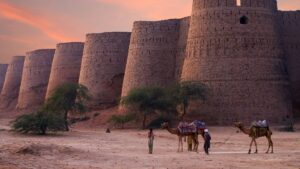
Takht-i-Bahi is one of the most remarkable archaeological and spiritual landmarks in South Asia. This ancient Buddhist monastery stands as a powerful reminder of the region’s rich Buddhist past, attracting historians, travelers, and spiritual seekers alike. Known for its exceptional state of preservation, Takht-i-Bahi offers a fascinating glimpse into monastic life that flourished nearly two thousand years ago.
Introduction to Takht-i-Bahi
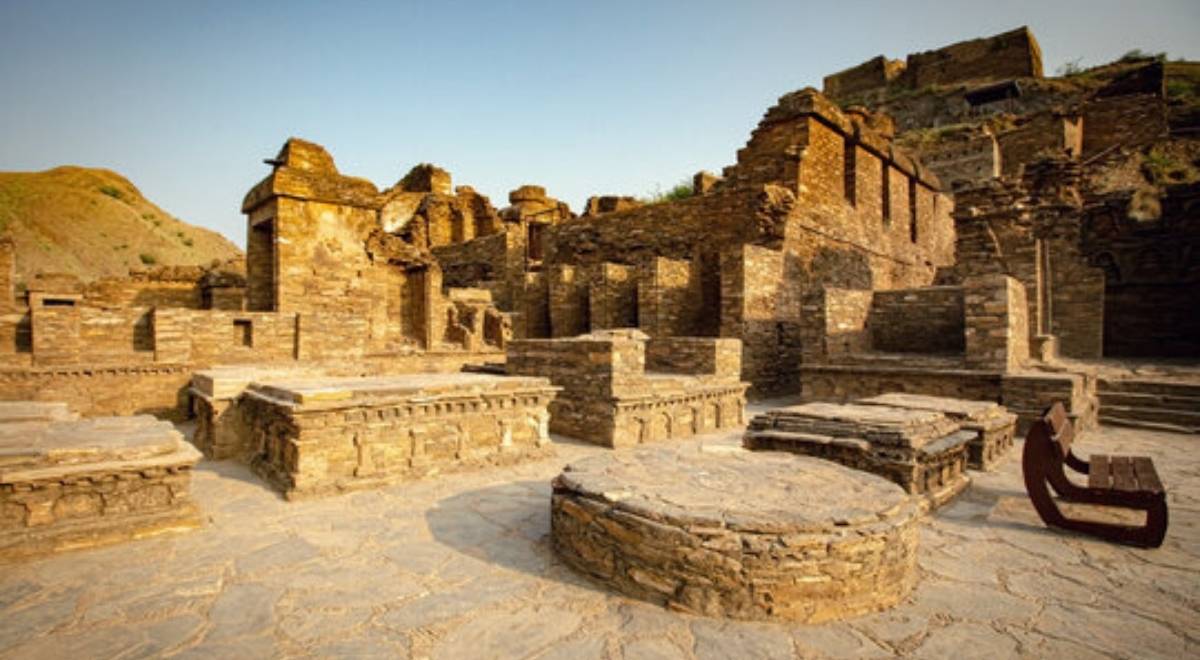
Located in Khyber Pakhtunkhwa, Pakistan, Takht i Bahi is a UNESCO World Heritage Site that dates back to the 1st century CE. The name “Takht-i-Bahi” roughly translates to “Throne of Origins,” reflecting its elevated position on a hilltop and its spiritual significance.
For travelers searching online for a “buddhist monastery near me”, Takht-i-Bahi often emerges as a top historical site in Pakistan due to its accessibility and global importance.
Historical Background of Takht-i-Bahi
Origins and Early Development
The monastery was established during the Gandhara civilization, a period when Buddhism thrived across the region. It remained active for several centuries, even surviving invasions that caused many nearby cities to decline.
Role in Gandhara Buddhism
Takht-i-Bahi played a key role in Buddhist education and meditation. Monks living here followed strict monastic disciplines, making it an important center for learning and spiritual practice.
Architectural Marvel of the Buddhist Monastery
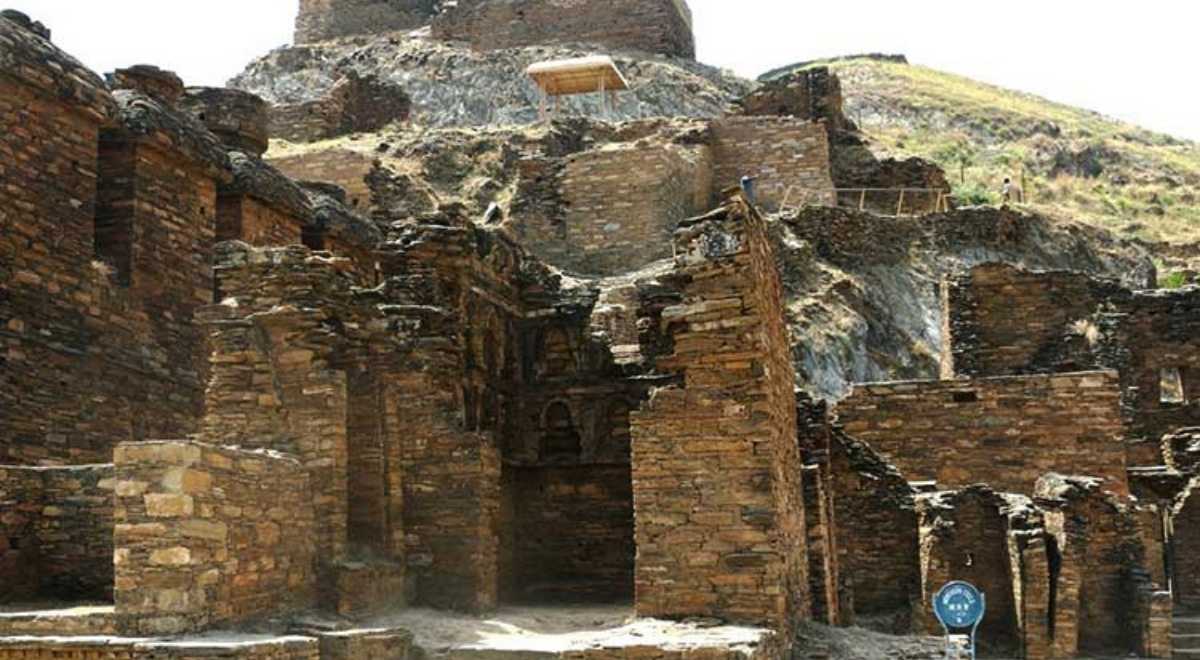
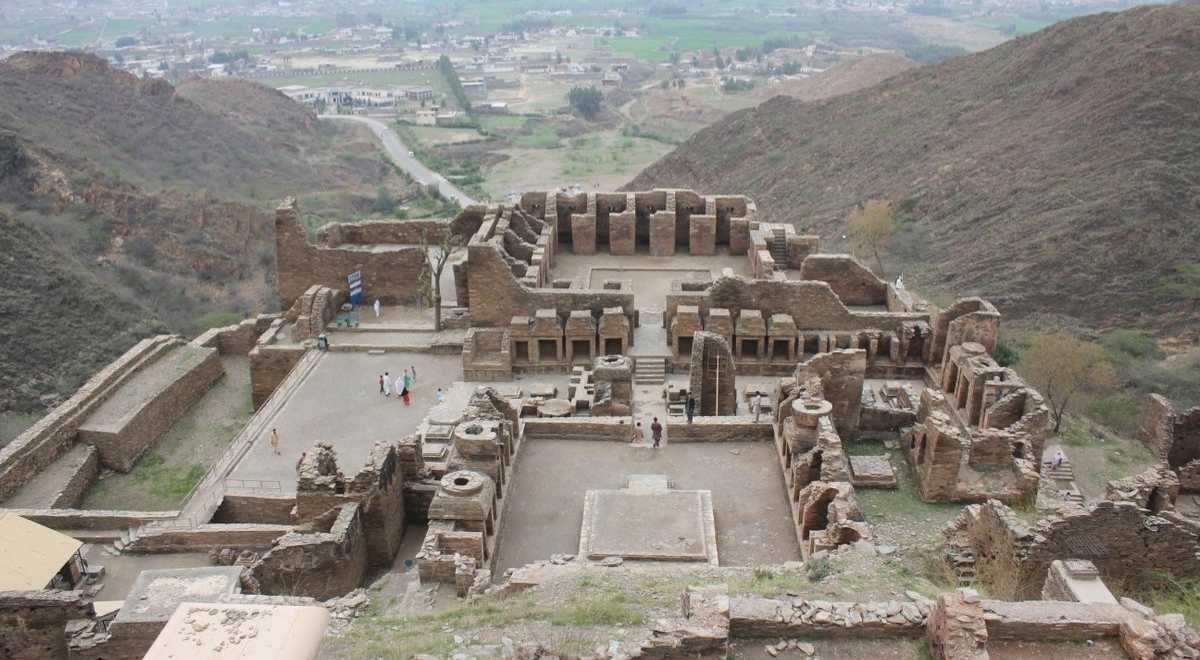
One of the reasons Takht-i-Bahi stands out among every Buddhist monastery is its unique and well-planned architecture.
Main Structures
The complex includes:
- Meditation cells
- Stupas and chapels
- Assembly halls
- Monastic courtyards
All structures are built with stone and arranged in a way that reflects both spiritual purpose and practical living.
Elevated Location Advantage
Built on a hilltop, Takht-i-Bahi was protected from floods and invasions, which explains its extraordinary preservation compared to many other ancient monasteries.
Takht-i-Bahi in Comparison with Other Buddhist Monasteries
Across Asia, many historic monasteries share similar spiritual goals but differ in style and setting.
- The Bavikonda ancient Buddhist monastery in India is known for its rock-cut stupas and coastal location.
- A Buddhist monastery in Coorg reflects later Buddhist influences mixed with South Indian culture.
While these sites are culturally significant, Takht i Bahi is unique due to its Gandharan architecture and hilltop monastic design.
Visiting Takht-i-Bahi Tips for Travelers
Best Time to Visit
The ideal time to visit is between October and March when the weather is pleasant and suitable for walking around the ruins.
Travel Tips
- Wear comfortable shoes, as the site involves climbing steps
- Carry water and sun protection
- Hire a local guide to better understand the historical context
For tourists searching for a buddhist monastery near me while traveling in Pakistan, Takht-i-Bahi is a must-visit destination.
Cultural and Religious Significance Today
Although no longer an active monastery, Takht-i-Bahi continues to inspire Buddhists and history lovers worldwide. It serves as a symbol of religious harmony and the deep historical roots of Buddhism in the region.
Conclusion
Takht-i-Bahi Buddhist Monastery is more than an archaeological site—it is a living story carved in stone. From its ancient origins and architectural brilliance to its comparison with sites like the Bavikonda ancient Buddhist monastery and a Buddhist monastery in Coorg, Takht-i-Bahi holds a unique place in global Buddhist heritage. Whether you are a traveler, researcher, or spiritual seeker, this timeless monastery offers an unforgettable journey into history and faith.