
Shalamar Gardens, also known as Shalamar Garden, is one of Pakistan’s most iconic historical sites and a shining example of Mughal architecture. Located in Lahore, this UNESCO World Heritage Site reflects the grandeur, artistry, and advanced engineering of the Mughal era. From its lush terraces to its flowing fountains, Shalamar Garden Lahore continues to attract history lovers, tourists, and photographers from around the world.
In this article, you’ll find complete details about Shalamar Garden location, history, architecture, Shalamar Garden timing, and useful tips for visitors.
Introduction to Shalamar Garden
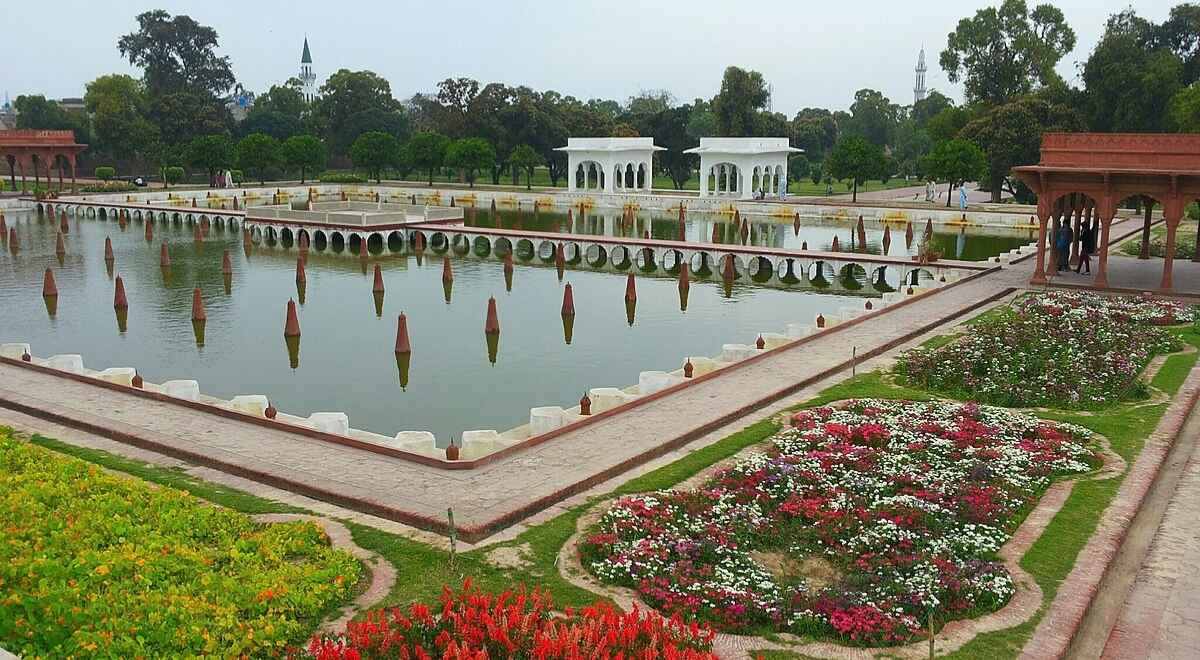
Built in the 17th century, Shalamar Garden was designed as a royal retreat for Mughal emperors. The gardens symbolize paradise on earth, blending nature, symmetry, and water features in perfect harmony. Today, Shalamar Garden Lahore stands as a cultural treasure and a must-visit destination for anyone exploring the historic city.
History of Shalamar Gardens
Mughal Origins of Shalamar Garden
Shalamar Garden was commissioned in 1641 by Mughal Emperor Shah Jahan, the same ruler who built the Taj Mahal. The garden was completed in 1642 and served as a place of leisure and celebration for the Mughal royal family.
Cultural and Historical Importance
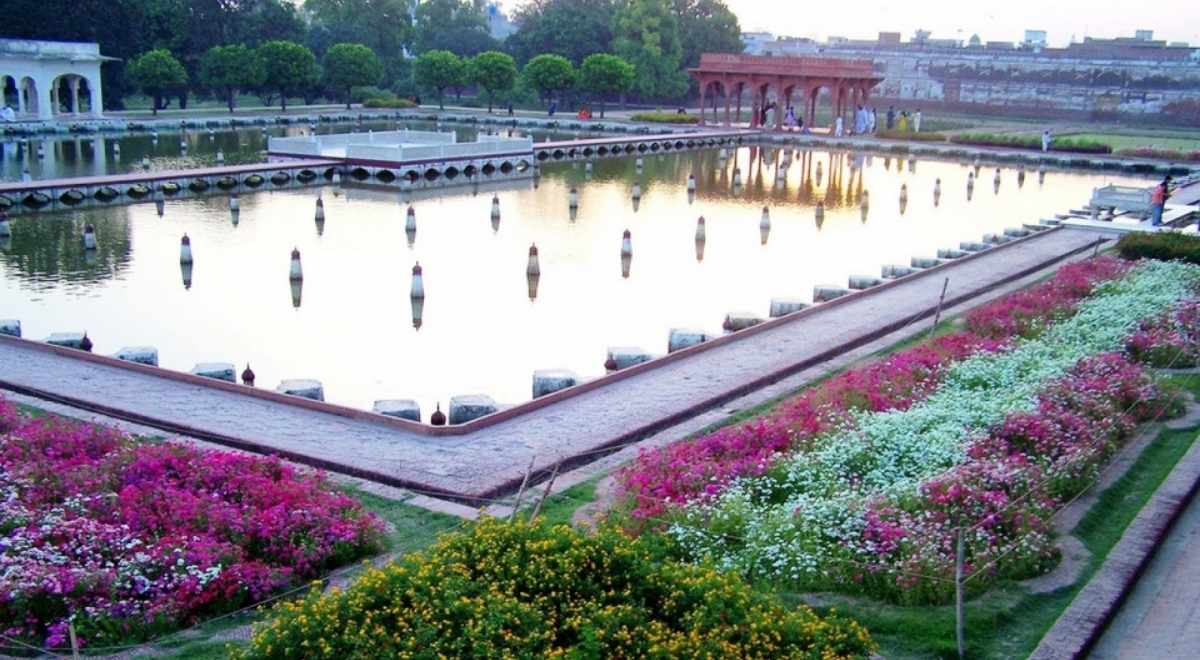
Over centuries, Shalamar Garden Lahore has witnessed royal ceremonies, festivals, and gatherings. Due to its historical value and architectural brilliance, it was declared a UNESCO World Heritage Site in 1981.
Architecture and Design of Shalamar Garden
Three-Tier Terrace Layout
The unique design of Shalamar Garden consists of three descending terraces:
- Farah Baksh (Bestower of Pleasure)
- Faiz Baksh (Bestower of Goodness)
- Hayat Baksh (Bestower of Life)
Each level served a different social and functional purpose.
Fountains, Water Channels, and Pavilions
One of the highlights of Shalamar Garden Lahore is its 410 fountains, which once operated without modern pumps. The flowing water, marble pavilions, and shaded walkways create a peaceful atmosphere even today.
Shalamar Garden Location and Accessibility
Where Is Shalamar Garden Located?
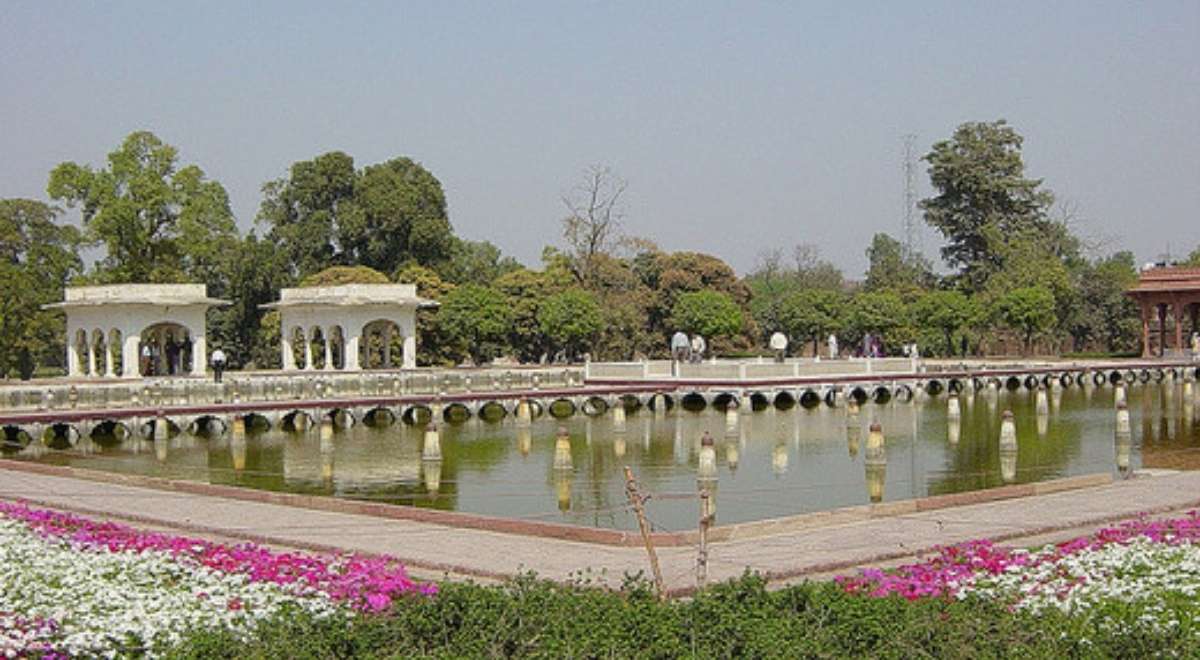
The Shalamar Garden location is on the Grand Trunk (GT) Road, about 5 kilometers northeast of Lahore’s city center. Its strategic placement made it easily accessible during the Mughal era and remains convenient today.
How to Reach Shalamar Garden
- By Car: Easily accessible via GT Road
- By Public Transport: Buses and ride-hailing services operate regularly
- By Tourist Transport: Often included in Lahore heritage tours
Shalamar Garden Timing and Entry Details
Shalamar Garden Timing
The Shalamar Garden timing generally is:
- Opening Time: 8:00 AM
- Closing Time: 6:00 PM
(Timings may vary on public holidays, so it’s best to confirm before visiting.)
Best Time to Visit Shalamar Garden
- Visit early morning or late afternoon for pleasant weather
- Winter months are ideal for exploring Shalamar Garden Lahore
- Avoid peak summer hours for a more comfortable experience
Tips for Visiting Shalamar Garden
- Wear comfortable walking shoes as the garden is spread over a large area
- Carry water, especially during warmer months
- Respect the heritage site by avoiding littering or damaging structures
- Photography is allowed, making Shalamar Garden perfect for history and nature shots
Why Shalamar Garden Lahore Is a Must-Visit
Shalamar Garden Lahore is not just a garden it’s a journey into Mughal history. Whether you are a tourist, student, or cultural enthusiast, the beauty and serenity of Shalamar Garden leave a lasting impression.
Conclusion
In summary, Shalamar Garden is a remarkable blend of history, architecture, and nature. With its prime Shalamar Garden location, convenient Shalamar Garden timing, and timeless Mughal design, it remains one of the top heritage attractions in Pakistan. A visit to Shalamar Garden Lahore offers a peaceful escape and a deeper understanding of the region’s rich cultural past.