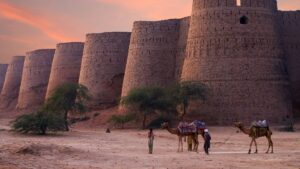
Lahore Fort, locally known as Shahi Qila, is one of Pakistan’s most iconic historical landmarks. Its stunning architecture, rich culture, and centuries-old heritage make it a must-visit destination for travelers, historians, and architecture lovers. Whether you’re exploring the ancient walls or planning future living near historical attractions like Green Forts 2 Lahore and Fort Villas Lahore, the fort holds a timeless appeal.
This article covers Lahore Fort history, its architectural beauty, and fascinating facts, including who Lahore Fort was built by.
History of Lahore Fort
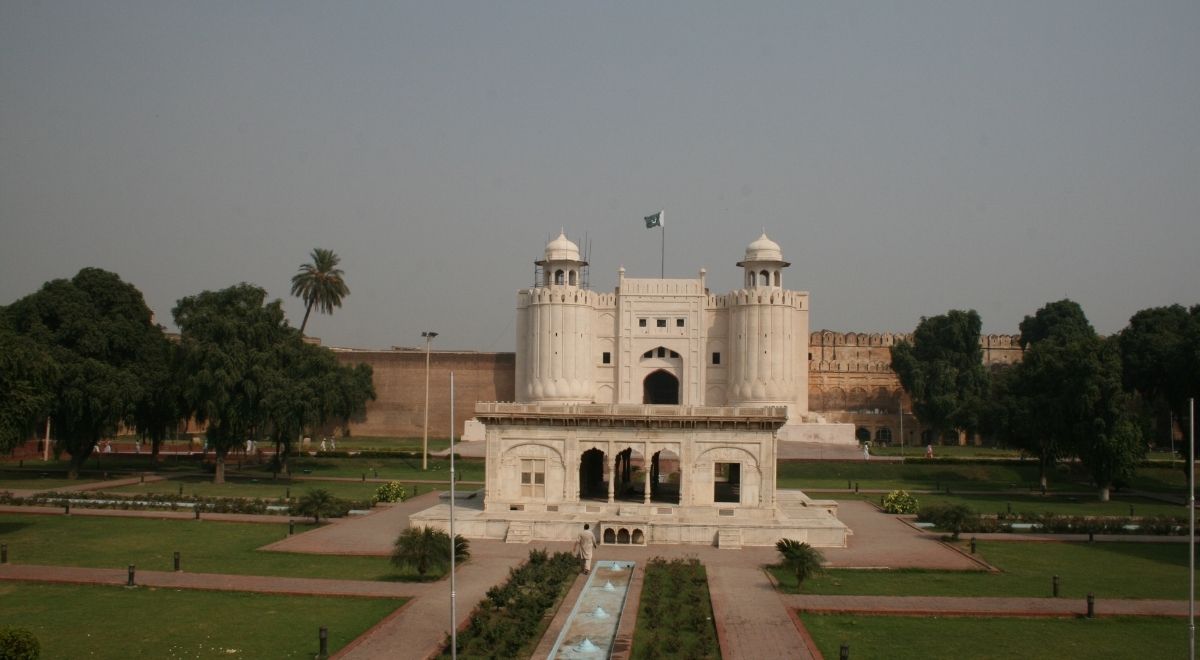
Lahore Fort Was Built By Origins and Foundation
Many people search for “Lahore fort was built by”, and the answer reveals the fort’s deep Mughal roots.
Although early structures existed before the Mughals, the fort you see today was rebuilt and expanded by Emperor Akbar in 1566. Later, rulers like Jahangir, Shah Jahan, and Aurangzeb added their own architectural touches, turning it into a masterpiece of Mughal design.
Lahore Fort History A Journey Through Time
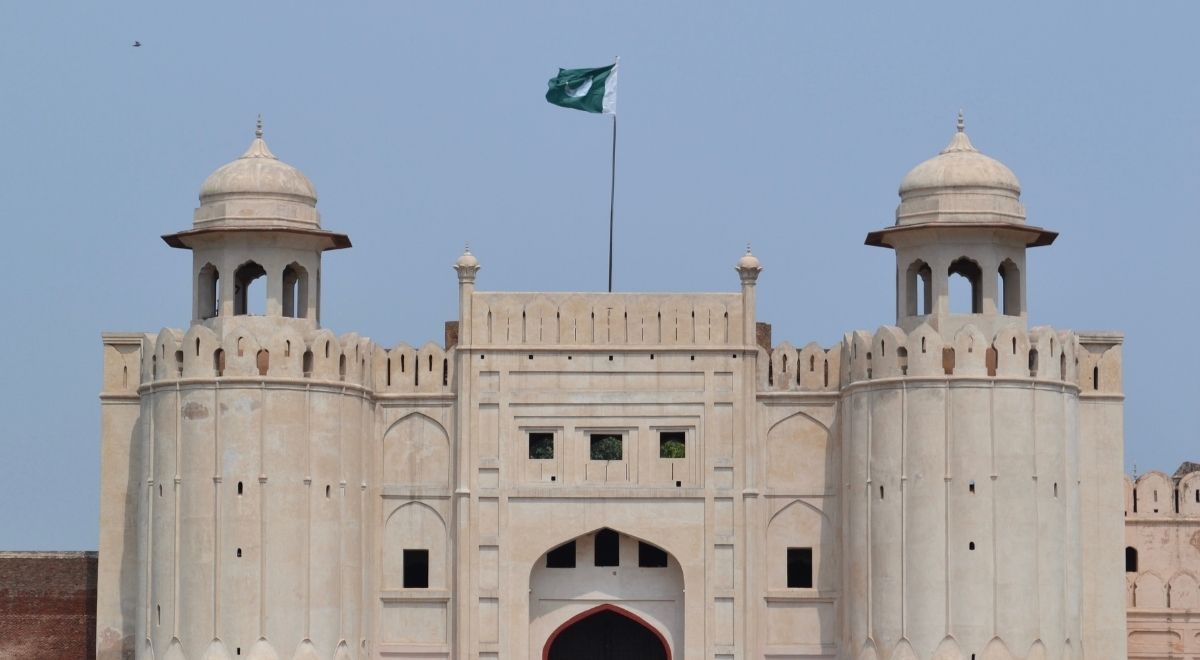
The Lahore Fort history dates back over a thousand years, but its golden era began during the Mughal Empire. Over the years:
- Akbar rebuilt the fort using red sandstone in an Indo-Islamic style.
- Jahangir added luxurious gardens and expanded royal residences.
- Shah Jahan, known for the Taj Mahal, introduced elegant marble structures reflecting Persian influence.
- Aurangzeb built the massive Alamgiri Gate, one of the fort’s most famous entrances.
The fort has served as a royal palace, military stronghold, and symbol of Mughal power.
Architectural Highlights of Lahore Fort
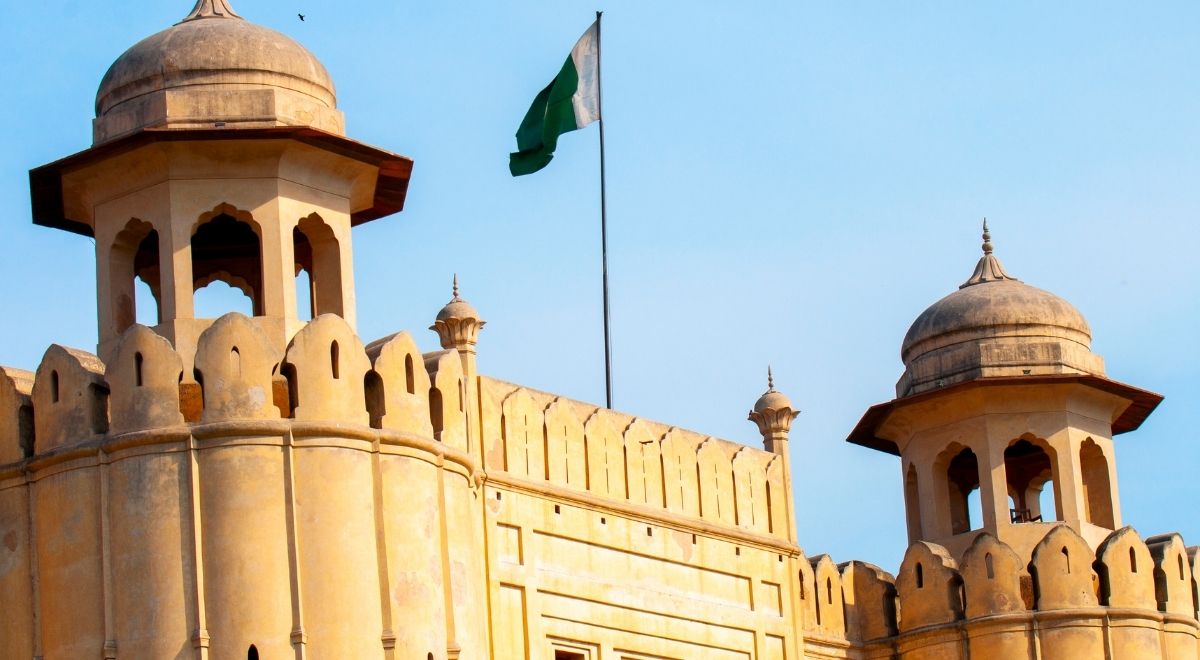
1. Alamgiri Gate
Built by Aurangzeb, this grand entrance opens toward the Badshahi Mosque and remains the fort’s most photographed landmark.
2. Sheesh Mahal (Palace of Mirrors)
One of the most beautiful sections of the fort, Sheesh Mahal is decorated with thousands of small mirrors that sparkle under minimal light.
3. Naulakha Pavilion
Made of white marble and decorated with pietra dura artistry, this pavilion was built by Shah Jahan for a cost of nine lakh rupees hence the name “Naulakha.”
4. Diwan-e-Aam & Diwan-e-Khas
These halls served as the Mughal emperor’s public and private audience chambers, showcasing royal grandeur and artistic craftsmanship.
Why Lahore Fort is a Must-Visit Destination
1. Perfect for History Lovers
Visitors can explore centuries-old chambers, towers, secret passages, and royal courts.
2. Ideal for Photographers
From majestic gates to marble pavilions, Lahore Fort offers endless opportunities for creative shots.
3. Close to Modern Living Areas
Many travelers also explore nearby communities such as Green Forts 2 Lahore and Fort Villas Lahore showcasing how modern living coexists with ancient heritage.
4. UNESCO World Heritage Site
Listed alongside the Shalamar Gardens, Lahore Fort represents the Mughal dynasty at its peak.
Tips for Visiting Lahore Fort
- Go early in the morning to avoid crowds and enjoy better lighting for photography.
- Hire a licensed tour guide to explore hidden parts of the fort and understand its true historical significance.
- Visit Badshahi Mosque located right next to the fort for a complete Mughal-era experience.
- Wear comfortable shoes, as the fort covers a large area.
Conclusion
Lahore Fort stands as a majestic reminder of Pakistan’s Mughal heritage. Its architecture, royal chambers, and detailed craftsmanship make it one of the subcontinent’s greatest historical treasures. Whether you’re researching Lahore Fort history, curious about who Lahore Fort was built by, or exploring nearby modern communities like Green Forts 2 Lahore and Fort Villas Lahore, the fort provides both cultural depth and modern-day relevance.