Introduction
The Badshahi Mosque is one of the most iconic landmarks in Pakistan, attracting tourists, historians, and architecture enthusiasts from around the world. Known for its grandeur and rich history, this mosque is a testament to the Mughal era’s architectural brilliance. Located in the heart of Lahore, it stands as a symbol of cultural heritage and religious significance. In this article, we will explore the Badshahi Mosque location, delve into its history, and highlight why it is a must-visit destination in Pakistan.
Badshahi Mosque Location
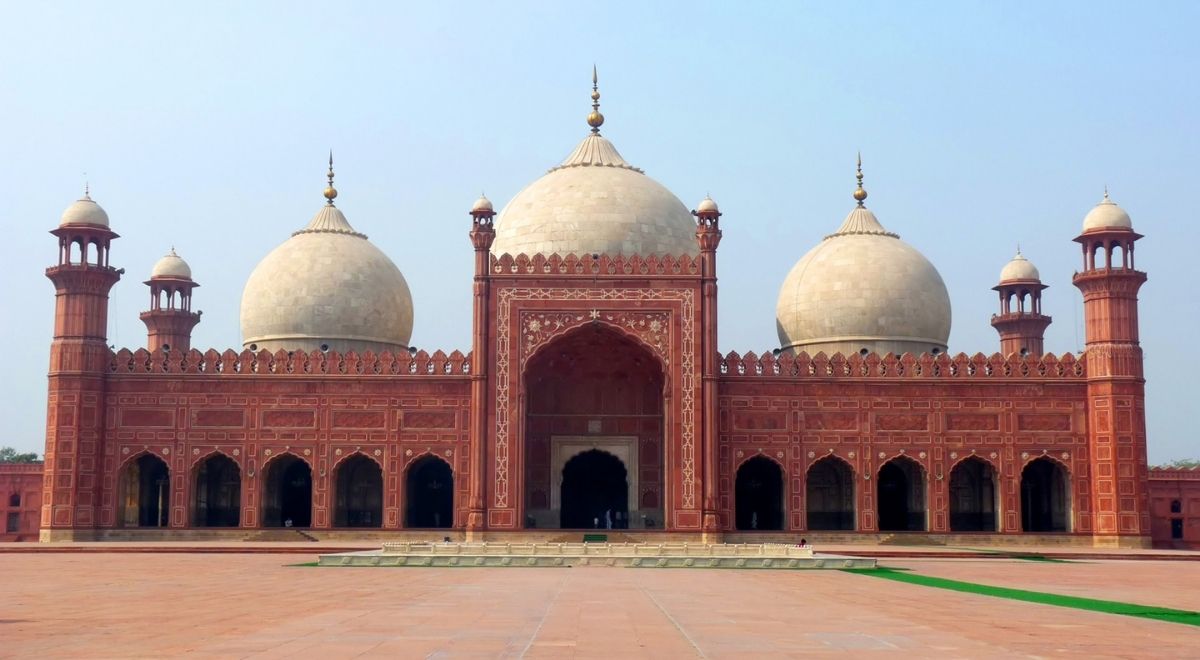
The Badshahi Mosque at Lahore is strategically located near the Lahore Fort, one of Pakistan’s UNESCO World Heritage Sites. Situated in the old city of Lahore, this mosque is easily accessible and offers visitors breathtaking views of the city’s historic architecture. The location not only adds to its charm but also makes it a central spot for cultural and religious events.
Visitors can explore the mosque easily via local transport or by walking from nearby historic areas, making it a convenient destination for tourists and locals alike.
Badshahi Mosque History
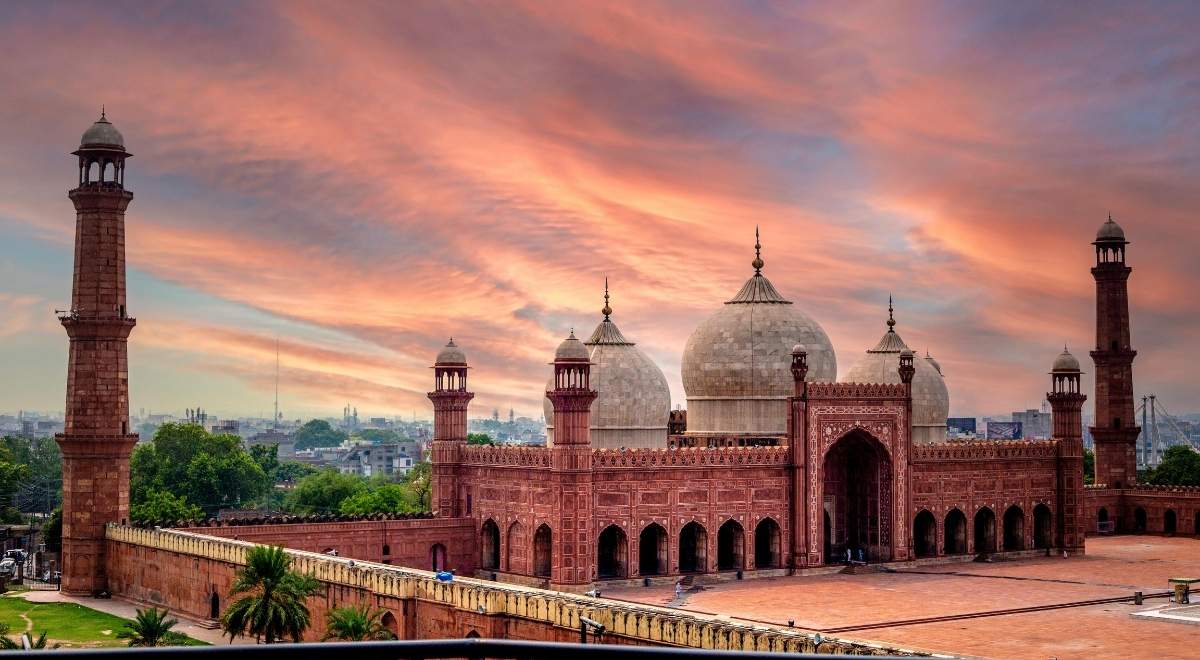
The Badshahi Mosque in Pakistan was commissioned by Emperor Aurangzeb in 1671 and completed in 1673. It was built during the height of the Mughal Empire, a period known for its architectural innovation and grandeur. The mosque was intended to showcase the empire’s power and devotion to Islam, making it one of the largest mosques in the world at the time of its completion.
Its history is intertwined with Lahore’s rich cultural narrative. Over the centuries, the mosque has witnessed multiple historical events, including military campaigns and colonial rule. Despite challenges, it has remained remarkably preserved and continues to function as a religious site and a tourist attraction.
Architectural Highlights of Badshahi Mosque
Grand Structure
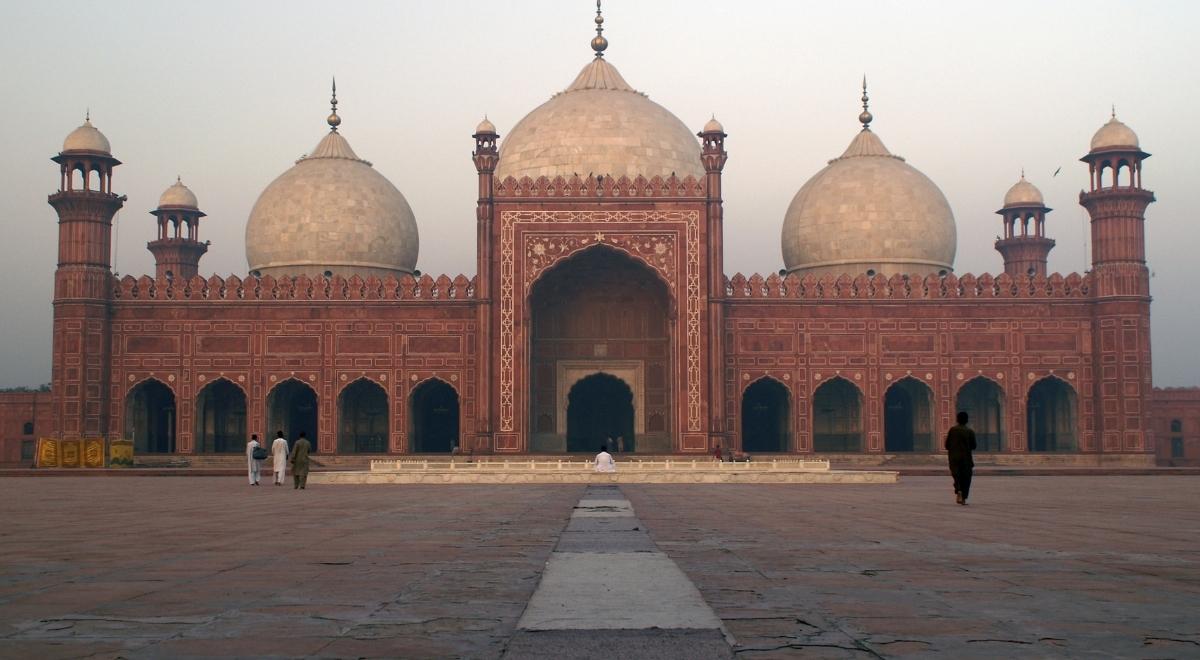
The Badshahi Mosque at Lahore is renowned for its colossal courtyard, which can accommodate tens of thousands of worshippers. Its large domes, elegant minarets, and intricate frescoes reflect Mughal artistry at its finest.
Interior and Decorations
Inside, visitors can admire detailed marble work, exquisite calligraphy, and decorative floral patterns that showcase traditional Mughal craftsmanship. The prayer hall is adorned with high arches and ornamental designs, creating a serene and spiritual ambiance.
Surrounding Attractions
Being in close proximity to Lahore Fort, the mosque offers a complete historical experience. Tourists can explore the fort, gardens, and nearby bazaars to enrich their visit.
Visiting Tips
- Best Time to Visit: Early mornings or late afternoons offer the best light for photography and fewer crowds.
- Dress Code: Modest attire is recommended, respecting local traditions.
- Guided Tours: Hiring a local guide can provide insights into the Badshahi Mosque history and architectural details.
- Photography: The mosque’s courtyard and minarets provide perfect photo opportunities.
Conclusion
The Badshahi Mosque in Pakistan is more than just a religious site—it is a historical and cultural treasure. From its strategic location in Lahore to its rich history and magnificent architecture, it stands as a symbol of the Mughal legacy and Pakistan’s heritage. Whether you are a history enthusiast, a spiritual seeker, or a tourist looking for breathtaking sights, the Badshahi Mosque at Lahore is a destination that should not be missed.