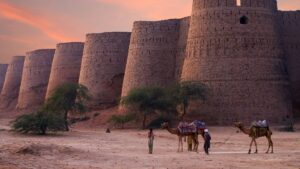
The Shah Jahan Masjid, located in Thatta, Sindh, is one of Pakistan’s most iconic historical monuments. Known for its stunning architecture and intricate tile work, this mosque stands as a testament to the grandeur of the Mughal era. Often referred to as Jama Masjid Shah Jahan, it is not only a place of worship but also a remarkable example of Islamic art and architectural innovation.
Historical Significance of Shah Jahan Masjid
The Shah Jahan Masjid history dates back to the 17th century during the reign of the Mughal Emperor Shah Jahan. Built in 1647, the mosque symbolizes the emperor’s vision of blending Islamic architecture with local Sindhi craftsmanship. The mosque was commissioned in Thatta, which was then an important center of trade, culture, and politics.
The Thatta Shah Jahan Masjid is historically significant as it represents the flourishing Mughal architecture in Sindh and demonstrates the intricate artistry of tile work and calligraphy that Mughal rulers patronized.
Architectural Marvel of the Mosque
Unique Design and Layout
The Shah Jahan Masjid features a unique layout with a large rectangular prayer hall, surrounded by 93 domes of various sizes. This architectural choice was intended to improve acoustics, allowing the imam’s voice to reach every corner of the mosque during prayers. The mosque is constructed using baked bricks, a technique that was widely used in Sindh due to the scarcity of stone.
Tile Work and Ornamentation
One of the most striking features of the Jama Masjid Shah Jahan is its elaborate tile work. The mosque is adorned with vibrant blue, turquoise, and white tiles forming floral and geometric patterns. These tiles reflect Persian and Central Asian influences, making the mosque a visual feast for visitors and historians alike.
Calligraphy and Decorative Features
The mosque’s walls and domes are decorated with intricate calligraphy, featuring Quranic verses and Islamic motifs. These inscriptions are meticulously crafted and continue to draw admiration for their artistic and spiritual significance.
Visiting Shah Jahan Masjid Thatta
Location and Accessibility
The Shah Jahan Masjid is located in Thatta, approximately 98 kilometers from Karachi. Visitors can reach the mosque via road transport from major cities in Sindh. Its serene surroundings and historical ambiance make it a popular destination for both tourists and scholars.
Tips for Visitors
- Best Time to Visit: Early mornings or late afternoons are ideal for photography and avoiding the midday heat.
- Respectful Attire: As a functioning mosque, modest clothing is recommended for both men and women.
- Guided Tours: Hiring a local guide can enhance your understanding of the Shah Jahan Masjid history and its architectural nuances.
Importance in Pakistan’s Heritage
The Shah Jahan Masjid is not just a place of worship but also a cultural landmark. It stands as a symbol of the Mughal Empire’s artistic brilliance and the rich heritage of Thatta. Efforts are being made to preserve this historical mosque, ensuring that future generations can admire its architectural splendor.
Conclusion
The Thatta Shah Jahan Masjid is a magnificent monument that combines spiritual significance with historical and architectural grandeur. Whether you are an architecture enthusiast, history lover, or a traveler seeking cultural experiences, visiting the Jama Masjid Shah Jahan offers a deep insight into the Mughal era and Pakistan’s rich heritage.
Plan your visit to witness the artistry, serenity, and historical legacy of the Shah Jahan Masjid, a true gem of Sindh.